
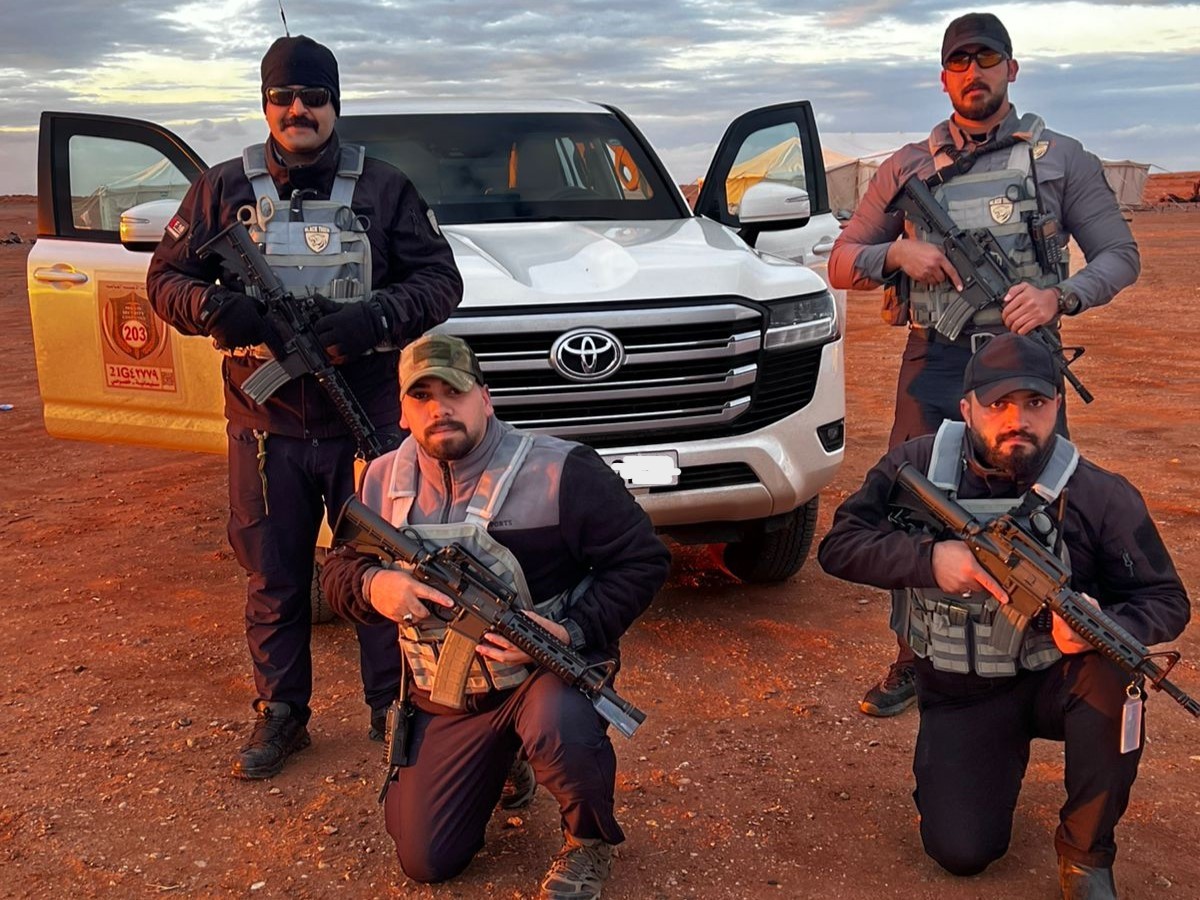
Defining Value Beyond the Hourly Rate
Many businesses, organizations, and individuals ask the same question: how much does a security guard cost? There is no single fixed price. Security costs depend on several factors, including risk level, location, service type, manpower needs, and operational complexity.
In Iraq, security conditions differ greatly by region and industry. For this reason, professional security services require careful planning and accurate pricing. Whether you need a static guard for asset protection, a mobile security team, executive protection, or armed escort services, understanding these cost factors helps you make informed decisions.
This guide offers a clear and professional breakdown of security guard costs. It explains what clients actually pay for when they hire a reputable security company.
This definitive guide provides a professional and transparent breakdown of the key factors that determine the cost of a high-caliber security guard and specialized security team, enabling you to conduct a meaningful Cost-Benefit Analysis vs. Risk Exposure.
Average Cost of a Security Guard
The cost of a security guard is calculated per hour, per shift, or per project. Rates differ based on whether the guard is unarmed or armed, static or mobile, and operating in low-risk or high-threat environments.
Rather than focusing on a single price, professional clients evaluate security value, reliability, training standards, and risk mitigation.
The Three Pillars of Security Guard Cost Calculation
The final hourly or contractual rate you pay is built upon three foundational pillars: Labor Costs, Operational Costs, and Risk Premium.
1. Labor Costs: The Core Investment in Personnel
This pillar covers the direct compensation and mandated benefits for the personnel:
- Base Wage: The guard’s hourly pay, which must be competitive to attract and retain elite staff.
- Mandated Overheads: Including insurance, social security contributions, vacation pay, and sick leave.
- Specialized Training & Certification: Guards capable of performing Executive Protection or working in High-Threat Protection environments command a significant premium due to the specialized, ongoing, and often expensive training they receive (e.g., advanced medical trauma, defensive driving, complex threat analysis).
2. Operational Costs: The Agency’s Support Structure
A professional security firm provides indispensable infrastructure that is factored into the service cost. This is the difference between hiring an individual and contracting a resilient organization.
- Supervision and Management: Costs associated with 24/7 centralized command and control, field supervisors, and quality assurance.
- Equipment and Technology: Uniforms, protective gear, modern communication systems, GPS tracking for Mobile Security Teams, and digital reporting software for incident documentation.
- Liability and Insurance: Comprehensive liability insurance coverage is non-negotiable, especially when dealing with high-value operations like Cash-in-Transit (CIT), where the potential cost of an incident is immense.
3. Risk Premium: The Environmental Factor
The security environment is perhaps the most significant determinant of cost.
- Location Risk: A static guard post in a low-crime commercial district costs far less than deploying personnel to a high-risk operational zone or an active construction site.
- Arming Status: Armed guards require more extensive training, licensing, and insurance, resulting in a substantially higher rate than unarmed personnel. This cost is a necessary investment when protecting high-value targets or critical infrastructure.
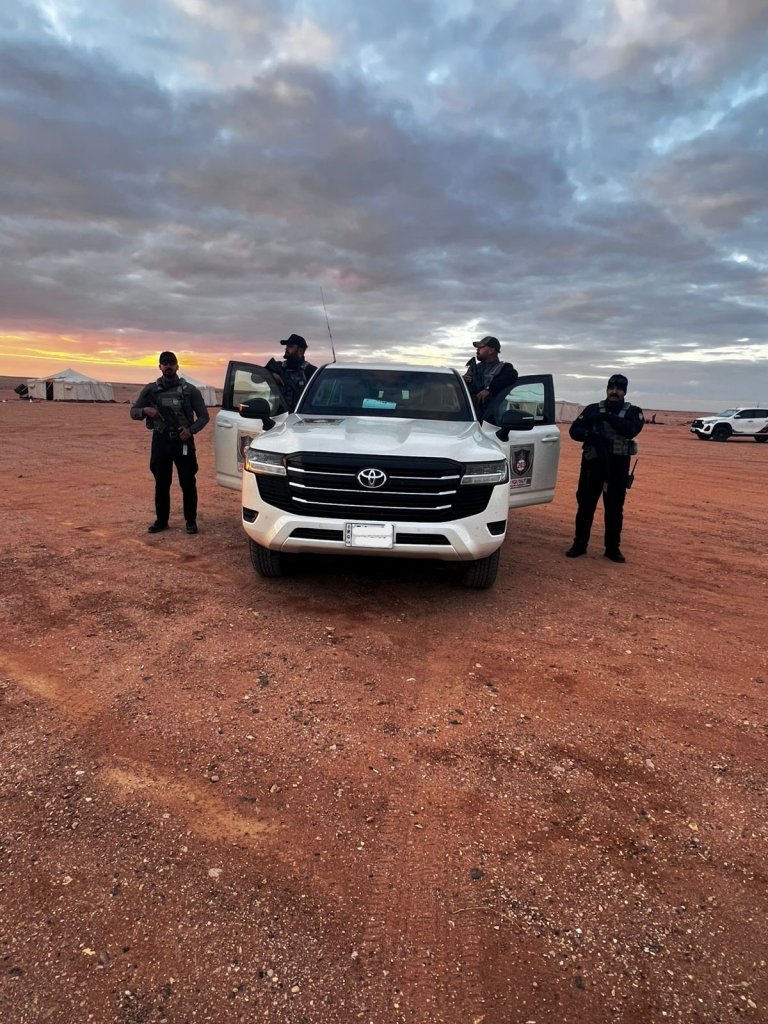
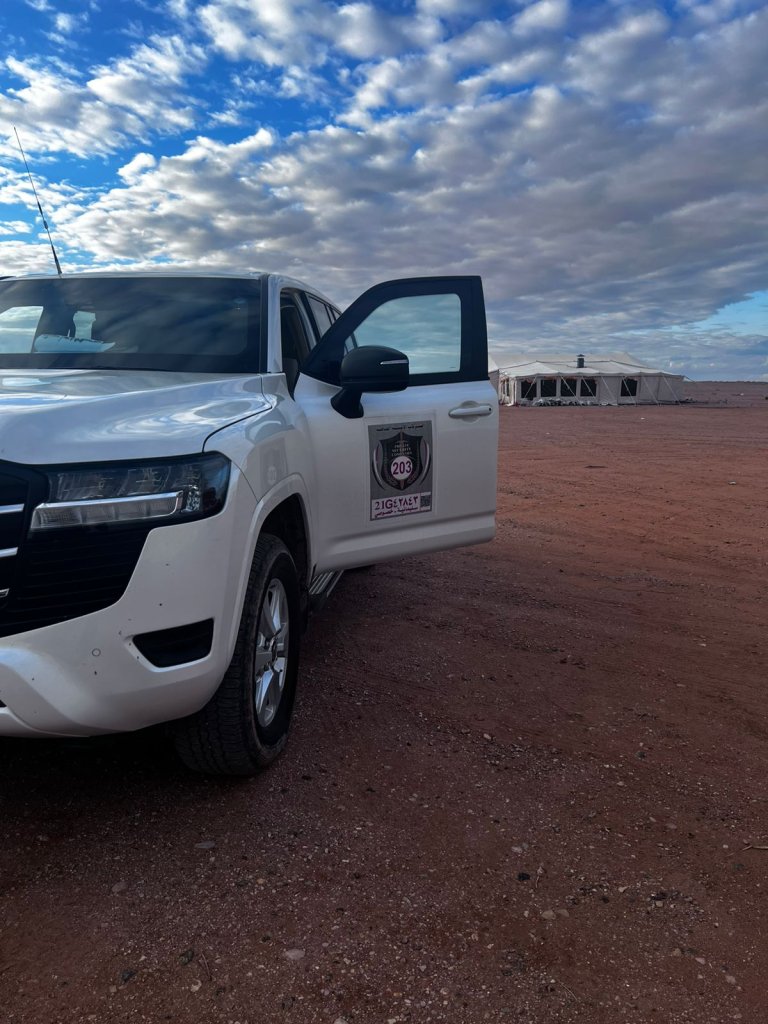
Cost Variability by Type of Specialized Security Service
The required capabilities directly dictate the cost. A guard standing at a gate performs a fundamentally different role ,and carries a different cost structure , than a personal security detail.
| Security Service Category | Key Cost Drivers |
| Basic Static Guarding | Hours of coverage, site size, unarmed status, and limited technology integration. |
| Asset Protection | High value of assets being protected, specialized training for surveillance and loss prevention, and integration with complex access control technology. |
| Facility Security Assessments | High-level expertise (not an hourly guard role) needed to conduct initial threat analysis, justify the necessary guard force size, and design security architecture. |
| Cash-in-Transit (CIT) / Armored Vehicle | Specialized vehicles, mandatory armed and highly trained personnel, extensive liability insurance, and the extreme risk of the operation. |
| Executive / High-Threat Protection | Elite training (former military/police background), close-quarters combat skills, route planning, advanced medical training, and a 24/7 dedicated team structure. |
| Mobile Security Teams | Vehicle maintenance and fuel, integrated GPS tracking and communication systems, and the need for personnel with patrol and quick-response experience. |
The Value Equation: Why the Cheapest Option is the Most Expensive
A low-bid security provider is often cutting costs in one of two critical areas, which transfers risk back to the client:
- Lower Wages: This attracts low-quality staff, leading to high turnover, poor morale, fatigue, and lack of dedication.
- Insufficient Training/Insurance: This means personnel are ill-equipped to handle complex incidents (fire, medical emergencies, violent confrontation), leading to liability lawsuits and magnified losses when an incident occurs.
Professional security, as provided by Black Tiger, mitigates risk and ensures business continuity, making the investment justifiable in the long term.
Strategic Factors That Drive and Optimize Your Security Budget
An informed client works with their security provider to design a system that maximizes security without unnecessary expenditure.
1. The Role of the Initial Assessment
Before any pricing can be accurate, a professional Facility Security Assessment is mandatory. This process determines:
- Actual Threat Level: Are the threats opportunistic theft (unarmed deterrent needed) or complex, organized violence (armed, High-Threat Protection needed)?
- Optimal Headcount: The minimum number of personnel required to cover all critical vulnerabilities without waste.
- Technology Integration: Can CCTV, alarm systems, or remote monitoring (like for B.T.C. Services) reduce the reliance on 24/7 physical manpower, thereby optimizing costs?
2. Contract Duration and Scale
Long-term contracts generally provide a more favorable hourly rate. Agencies can invest more heavily in site-specific training and equipment when they have guaranteed, long-term operational hours. Similarly, the total cost for deploying a full Mobile Security Team across multiple sites can be more efficient on a per-site basis than securing a single, isolated post.
3. Hidden Costs vs. Transparent Billing
Professional security firms provide transparent, fully-burdened hourly rates that account for all overheads. Be wary of quotes that omit costs like uniforms, vehicle fuel/maintenance, or administrative fees. Transparency ensures you are comparing true, comprehensive service offerings.

Frequently Asked Questions (FAQ)
Q1: Does a higher price guarantee better security service?
A: Not automatically. A higher price must correspond to demonstrable value: superior training, comprehensive insurance, specialized equipment (e.g., for Armored Vehicle transport), and a robust, 24/7 management infrastructure. If a high price is quoted without these guarantees, be cautious.
Q2: Should I hire armed or unarmed guards to manage costs?
A: The decision is purely risk-based, not cost-based. Unarmed guards are effective deterrents for low-to-medium risk sites and excellent for public-facing roles (e.g., access control). For scenarios involving high-value transfers, significant cash handling, or verifiable elevated threat levels, the marginal cost increase for an armed guard is a necessary investment to prevent catastrophic loss.
Q3: How does the cost of security guards differ for temporary events?
A: Short-term security (e.g., for an event or temporary logistics) is typically billed at a higher per-hour premium than long-term contracts. This reflects the provider’s cost for rapid deployment, specialized event training, and scheduling complexity for a short duration.
Q4: How does Black Tiger ensure value for money in a complex market like Iraq?
A: Our commitment is to Value-Based Pricing. Our rates reflect the deployment of highly-vetted, ex-military/police personnel, constant 24/7 operational oversight from our Baghdad headquarters, and a dedicated logistics capability, ensuring the highest standards of safety for clients requiring Executive Protection and other specialized services in challenging environments.
Your Security Investment Starts with an Assessment
The cost of a security guard is the cost of protecting your future, your stability, and your peace of mind. Instead of asking for a number, ask for a solution. A professional security partner will perform a thorough assessment to determine the exact requirements that match the threat level, ensuring every dollar spent is a targeted investment in resilience.
Black Tiger provides tailored, elite security services across Iraq, built on a foundation of professional training, strict protocols, and operational excellence, covering everything from Armored Vehicle solutions to specialized B.T.C. Services.
Contact the Black Tiger team today to schedule a confidential security assessment and receive a transparent, risk-adjusted proposal for your protection needs.
Black Tiger Security Services
- Phone (Primary): 00964 780 8999 882
- Phone (Secondary): 00964 770 2222 853
- Email: ceo@blacktiger-iq.com
- Location: Baghdad – Al Mansour – AL Dawoody Street
- Website: https://blacktiger-iq.com/