
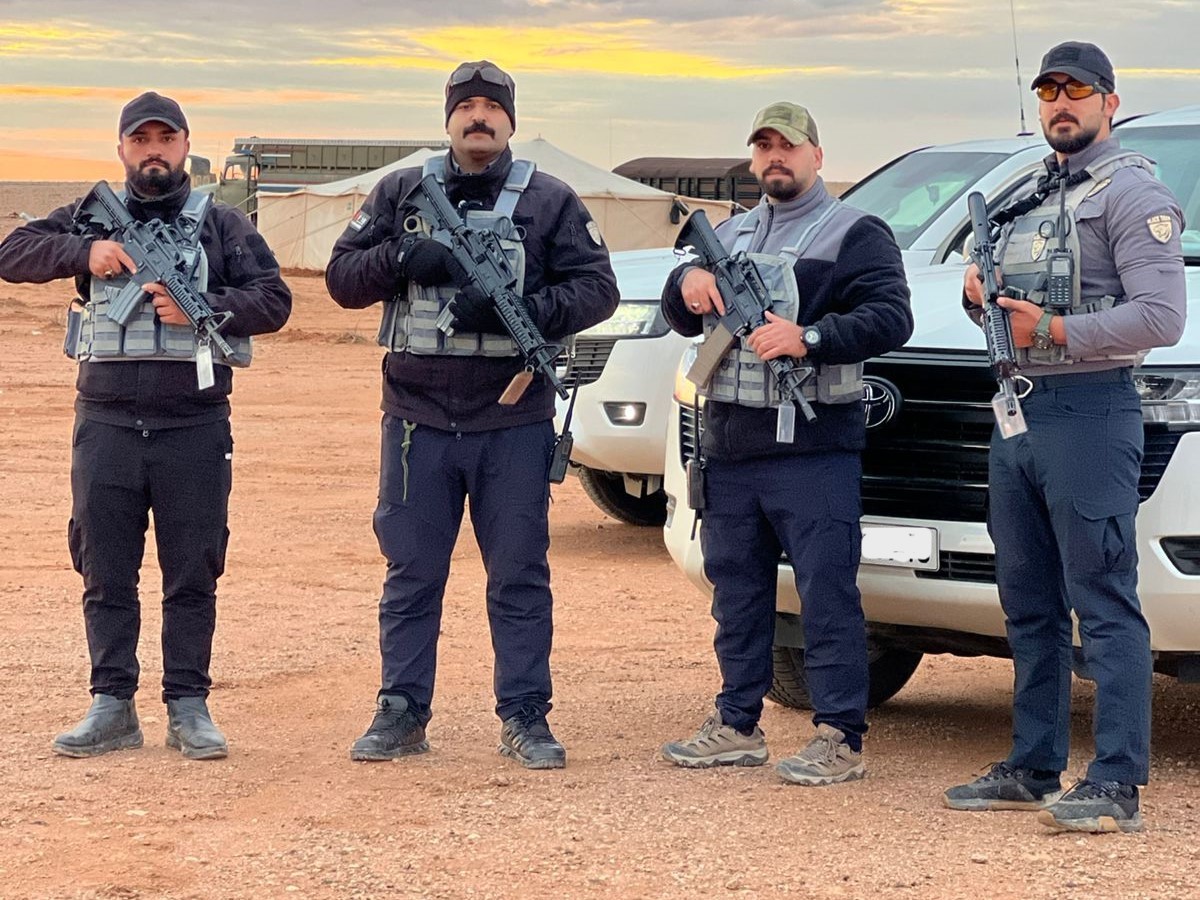
In an era of unpredictable global security challenges, the question is no longer just about luxury it is about the preservation of life and assets. For executives, NGOs, and government officials operating in complex environments like Iraq, the armored vehicle is a critical mobile fortress. However, one question dominates the procurement process: How much is an armored vehicle?
The answer is rarely a single figure. The cost is a variable equation involving ballistic levels, vehicle types, and integrated technology. At Black Tiger Security, we believe that transparency is the foundation of safety. This guide provides a comprehensive breakdown of the investment required for professional-grade armored transport.
What Is an Armored Vehicle?
An armored vehicle is a civilian or tactical vehicle that has been reinforced with ballistic and blast-resistant materials to protect occupants against:
- Small arms fire
- Explosions and IED fragments
- Ambush attacks
- Assassination attempts
- Armed robbery and hijacking
Armored vehicles are commonly used for:
- Executive and VIP protection
- Cash in transit (CIT) operations
- Diplomatic transport
- Oil & gas sector movement
- High-risk logistics and personnel transport
How Much Does an Armored Vehicle Cost?
1. The Base Vehicle: The Starting Point of Your Investment
The first factor in the price is the “skin” of the vehicle itself. You are not just buying armor; you are buying the automotive engineering capable of carrying it.
- Standard SUVs (Toyota Land Cruiser, Nissan Patrol): These are the gold standard in Iraq due to part availability. A new base vehicle can range from $60,000 to $90,000.
- Luxury Sedans/SUVs (Mercedes S-Class, Range Rover): For Executive Protection, luxury bases can start at $110,000+.
2. Ballistic Protection Levels (CEN Standards)
The level of threat you face dictates the thickness of the steel and glass.
- B4 Level (Handgun Protection): Protects against .44 Magnum. It is the lightest and most affordable, often adding $30,000 – $45,000 to the base price.
- B6 Level (High-Power Rifle Protection): The industry standard for high-risk zones. It stops 7.62x51mm rounds (AK-47/M16). Expect to add $55,000 – $80,000.
- B7 Level (Armor Piercing Protection): The highest civilian grade, designed to stop armor-piercing rounds. This requires heavy structural reinforcement, adding $90,000 – $130,000+.
3. Hidden Costs: Engineering and Performance Upgrades
Adding 1,500kg of armor to a car requires more than just steel plates. If these aren’t included in your quote, the vehicle will fail:
- Suspension & Brakes: Heavy-duty upgrades are mandatory to handle the weight.
- Run-Flat Systems: Allows the vehicle to travel 50km+ on deflated tires.
- Fuel Tank & Battery Protection: Vital for preventing vehicle immobilization.
Why Is There Such a Price Gap?
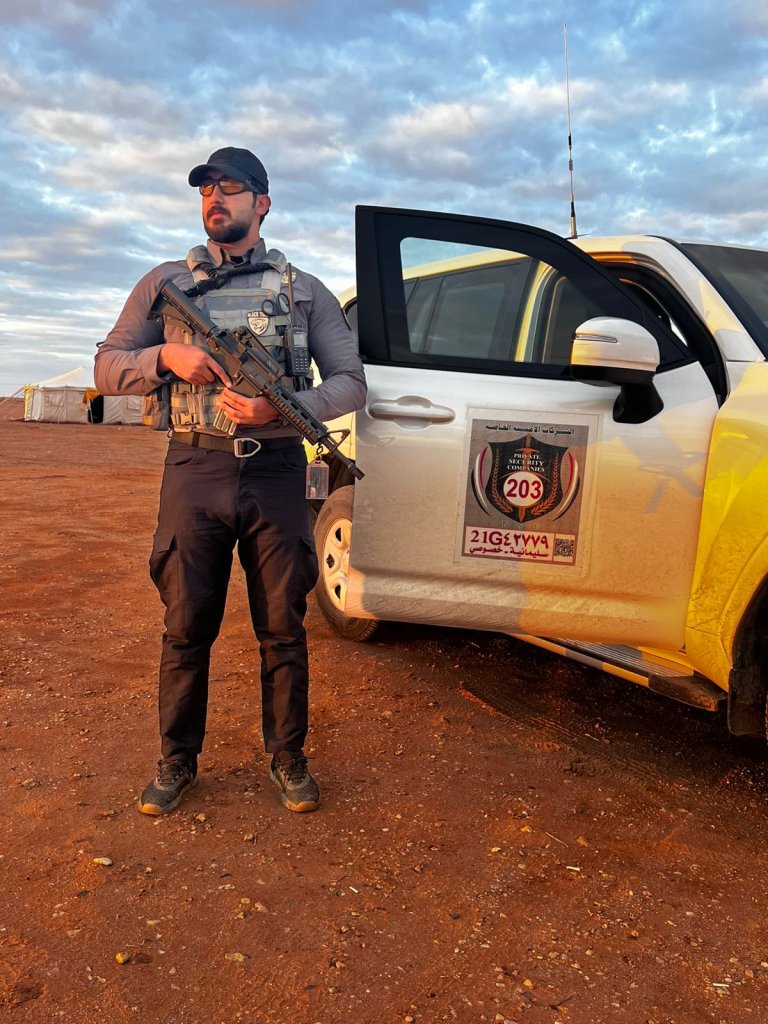
You may see “cheap” armored vehicles on the market. It is vital to understand that in the security industry, lower costs often mean compromised safety. Professional armoring involves:
- Overlap Systems: Ensuring no “ballistic gaps” in door seams.
- Certified Materials: Using laboratory-tested ballistic steel and glass.
- Discreet Armoring: Making the vehicle look identical to a standard car to avoid drawing attention.
To ensure your vehicle choice matches your actual threat level, we recommend a professional Facility & Route Security Assessment.
Operating Costs in Iraq: Beyond the Purchase
When asking “how much is an armored vehicle,” one must consider the “Total Cost of Ownership” (TCO):
- Fuel Consumption: Armored vehicles are significantly heavier, increasing fuel costs by 30-50%.
- Specialized Maintenance: Brakes and tires wear out faster.
- Trained Personnel: A vehicle is only as good as its driver. Utilizing Mobile Security Teams ensures the vehicle is operated by professionals trained in evasive maneuvers.
Why You Should Never Buy “Cheap” Armored Vehicles
In the security industry, “saving money” can be fatal. Many low-cost providers cut corners that are invisible to the naked eye. At Black Tiger Security, we emphasize the following quality markers that justify a higher price point:
The “Ballistic Gap” Problem
Cheap armoring often leaves gaps in the door pillars or behind the mirrors. A professional build includes ballistic overlaps (steel plates that cover the seams where the door meets the frame). If a bullet hits a seam in a cheap vehicle, it can enter the cabin.
Optical Quality of Glass
Bullet-resistant glass (BRG) is thick. Poor quality glass has “yellowing” effects or “lens distortion,” which makes it difficult for the driver to see at night. High-end BRG remains crystal clear for years.
Discreet Appearance
The best armored vehicle is the one no one knows is armored. A high-quality build maintains the original look of the vehicle to avoid making you a target. This level of craftsmanship requires more labor hours, increasing the cost.
The Operational Ecosystem in Iraq
Owning the vehicle is only half the battle. To truly secure your assets, the vehicle must be part of a larger security strategy.
B.T.C Services: Integration with B.T.C Services allows for real-time tracking and communication between the vehicle and a central command center.
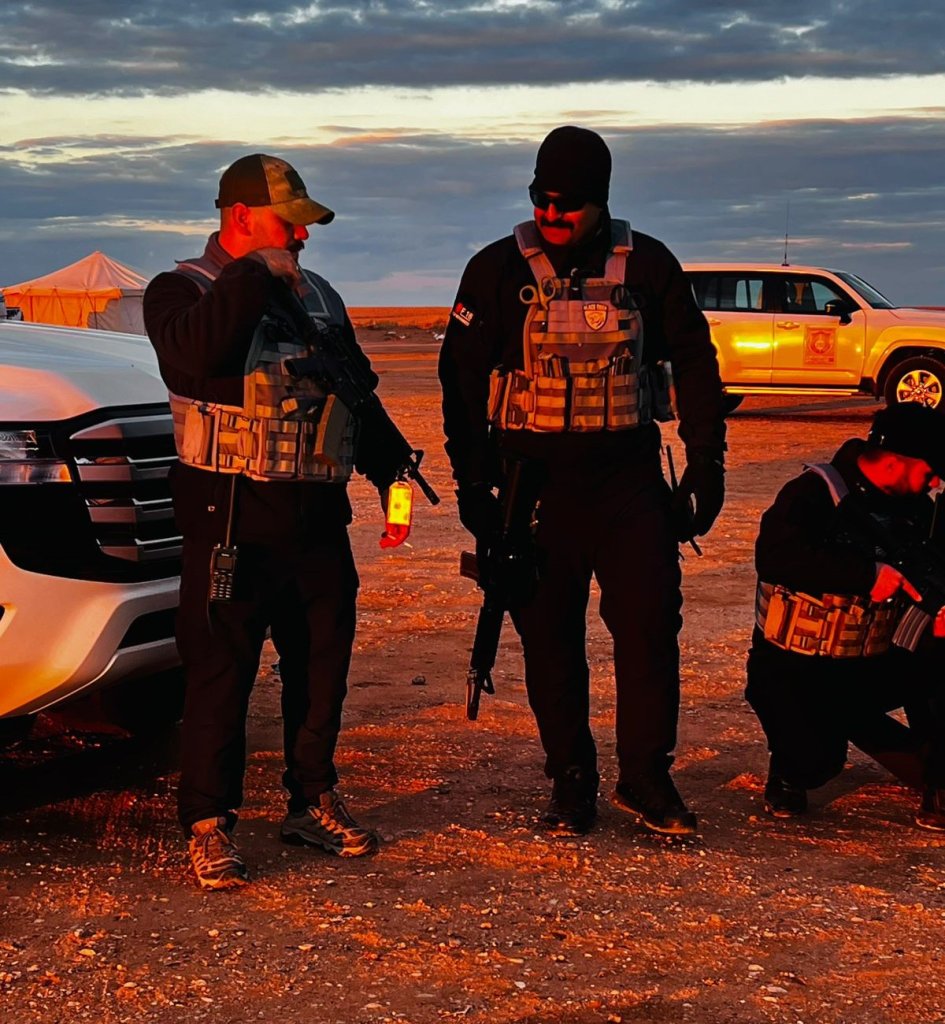
Mobile Security Teams (MST): Even a B7 vehicle can be compromised if trapped. Our Mobile Security Teams provide the tactical support needed to navigate dangerous routes.
Asset Protection: For moving high-value items, the vehicle’s cost is secondary to the Asset Protection protocols used by the team.
Maintenance and Long-Term Value
An armored vehicle is a high-maintenance asset. Because of the extreme weight:
- Tires must be replaced twice as often.
- Brake Pads require monthly inspections in stop-and-go Baghdad traffic.
- Door Hinges must be reinforced (a standard door hinge cannot hold a 150kg armored door).
Frequently Asked Questions (FAQ)
Q: Can I armor my existing car? A: Yes, but it must have a powerful enough engine (usually V8) and a strong chassis to support the weight. We evaluate vehicles on a case-by-case basis.
Q: How long does the armoring process take? A: A professional armoring job typically takes 45 to 90 days, depending on the complexity and Asset Protection requirements.
Q: Is a B6 armored vehicle enough for Iraq? A: For most NGOs and corporate clients, B6 provides the best balance of mobility and protection against common rifle threats. However, for High-Threat Protection, B7 or additional floor blast protection is recommended.
Q: What is the resale value of an armored vehicle? A: Armored vehicles hold their value well in high-demand regions like the Middle East, though the market is specialized.
Q: What is the difference between B6 and VPAM 7? A: CEN (B6) is the European standard for the materials used. VPAM is a more rigorous standard that tests the entire vehicle against multiple angles of attack. VPAM-certified vehicles are generally more expensive due to the destructive testing required.
Q: Does armoring protect against IEDs? A: Standard armoring protects against lateral ballistic threats (bullets). Floor protection (against grenades or small IEDs) is an additional upgrade that requires specialized “V-shape” hull designs or heavy floor plating. For full risk mitigation, we recommend a Facility Security Assessment to understand the threats on your specific route.
Conclusion: Investing in Peace of Mind
An armored vehicle is not a purchase; it is a strategic security investment. While the price can range from $100,000 to $250,000 (including the base vehicle), the cost of a security failure is immeasurable.
At Black Tiger Security, we provide more than just hardware. We provide a 360-degree security ecosystem from the vehicles themselves to the Cash-In-Transit protocols and B.T.C Services that keep your operations running smoothly in Iraq.
Contact Black Tiger Security Today
For a personalized quote or a consultation on your fleet requirements in Baghdad and across Iraq, contact our expert team.
- Phone: 00964 780 8999 882 | 00964 770 2222 853
- Email: ceo@blacktiger-iq.com
- Address: Baghdad – Al Mansour – AL Dawoody Street
- Web: www.blacktiger-iq.com