
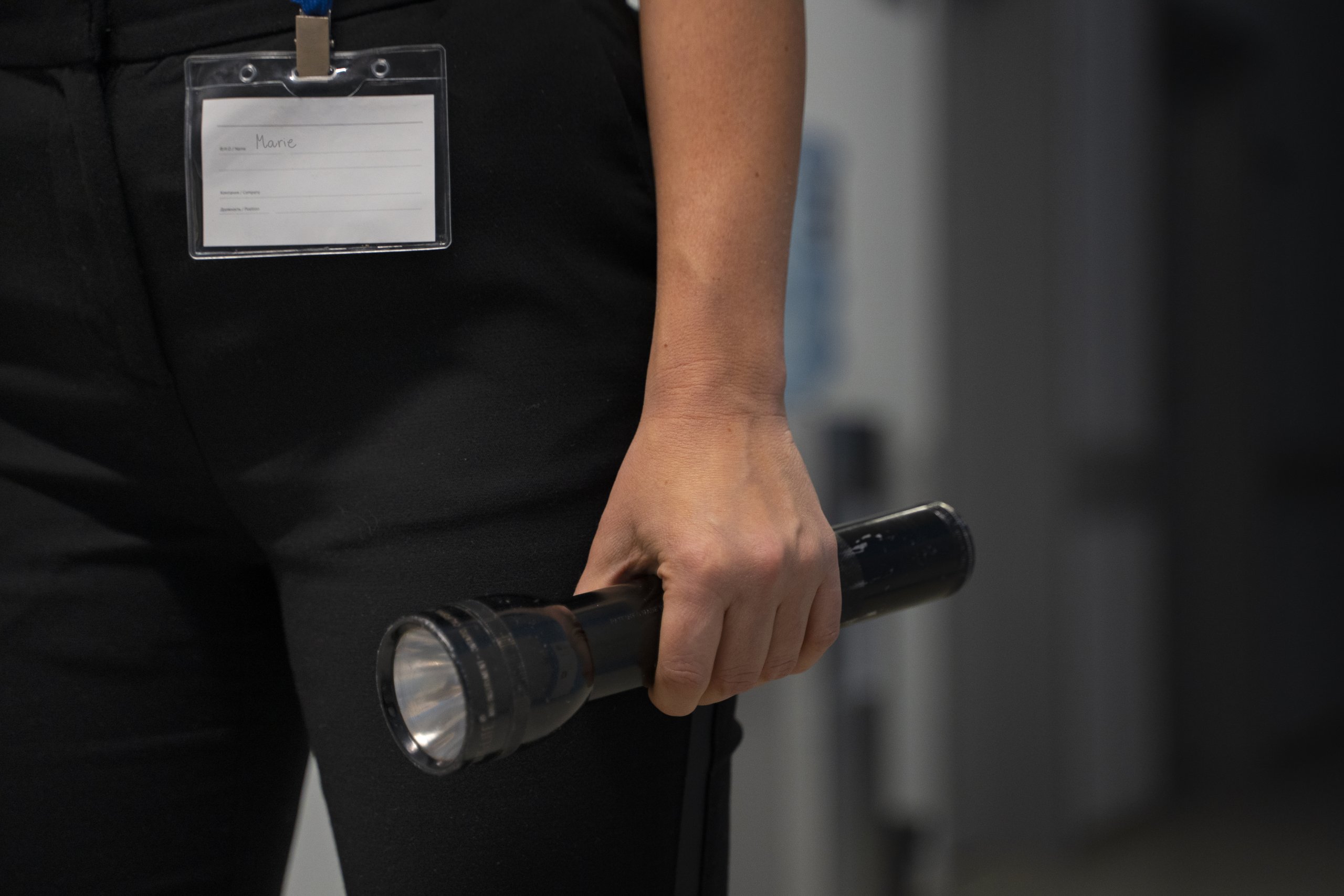
Security is one of the most important needs for people, businesses, and communities. Whether it is protecting a building, a company, or an individual, security guards play a vital role in keeping environments safe. Many people think a security guard only stands at a gate or watches cameras. In reality, their responsibilities go much deeper.
A well-trained guard prevents problems before they happen, reacts quickly to emergencies, and ensures peace of mind for everyone around. In Iraq, where risks and threats can be higher than in other countries, professional security services such as Executive Protection in Iraq and Mobile Security Teams in Iraq depend heavily on skilled guards.
The Core Duty of a Security Guard
The primary duty of a security guard is simple to define but complex to carry out: protect people, property, and assets from harm. To do this effectively, a guard must stay alert, follow procedures, and take action when needed.
Unlike technology or cameras, a human guard can analyze situations, make decisions, and respond immediately. For example, when someone tries to enter a restricted area, a guard does not just block the entry. They also check identification, explain the rules, and report the incident if necessary.
In addition, guards act as a visible deterrent. Their presence alone reduces the chance of crime, theft, or unwanted behavior.
Main Responsibilities of Security Guards
To understand their role better, let us explore the main responsibilities of a security guard:
- Access Control
Guards check who enters and exits a location. They verify IDs, issue visitor passes, and stop unauthorized individuals. - Patrolling and Monitoring
Regular patrols keep areas safe. Guards look for unusual behavior, unlocked doors, or damaged property. - Surveillance
Guards monitor CCTV systems, alarms, and communication devices to ensure constant observation. - Emergency Response
Guards react quickly to incidents such as fire, medical issues, or break-ins. Their training helps them remain calm under pressure. - Protecting Assets
Guards prevent theft, vandalism, and damage. They may also provide Asset Protection for high-value goods. - Reporting
Guards write reports, keep logs, and share updates with supervisors. Documentation helps improve future security measures. - Crowd Management
At events, malls, or offices, guards help maintain order and guide people safely. - Customer Assistance
Guards often assist visitors by giving directions or answering questions. This makes them both protectors and helpers.
Why Security Guard Responsibilities Are Important
Every responsibility has a purpose. Without guards, many places would face higher risks of crime, accidents, or disorder. Their importance can be seen in several ways:
- Preventing Incidents Before They Happen – For example, a guard may notice suspicious behavior and act before a theft occurs.
- Ensuring Safety During Emergencies – A trained guard knows evacuation procedures and can save lives.
- Maintaining Trust – Businesses that hire guards show employees and clients they value safety.
- Supporting Other Services – Guards work with law enforcement, firefighters, or medical teams when needed.
Skills Every Security Guard Must Have
To perform these duties well, guards need specific skills:
Observation – A good guard notices details that others might miss.
Communication – Guards explain instructions clearly and report incidents accurately.
Physical Fitness – They must stay active to handle patrols and emergencies.
Problem-Solving – Guards often face unexpected challenges and must act quickly.
Integrity – Trust is central. Guards must stay honest and responsible at all times.
Different Types of Security Guard Responsibilities
Not all security guards perform the same duties. In fact, their responsibilities change depending on the environment and the risks involved. Below are some of the most common types of security guard roles explained in detail.
Corporate Security
In corporate offices, security guards focus on protecting employees, visitors, and sensitive company data. They monitor access points, supervise deliveries, and respond to any disturbances. As a result, the workplace remains safe and productive.
Retail Security
Retail guards are on the front line of customer interaction. They prevent shoplifting, monitor CCTV cameras, and assist customers when needed. In addition, they often work with store managers to reduce loss and ensure a secure shopping environment.
Event Security
During events such as concerts, exhibitions, or conferences, security guards are essential. They control entry, check tickets, and guide crowds. Moreover, they handle emergencies and ensure that guests enjoy the event safely.
Residential Security
In residential areas, guards are responsible for protecting homes, compounds, and apartment complexes. They patrol the area, screen visitors, and monitor surveillance systems. This helps residents feel secure and protected day and night.
Cash-in-Transit Security
When money or valuables are being moved, guards play a critical role. They escort armored vehicles, secure the transport route, and respond quickly to any threats. For more details, see our Cash-in-Transit Service in Iraq.
High-Threat Protection
In high-risk environments, security guards work closely with specialized teams. They may support high-threat protection units and operate with Armored Vehicles in Iraq. This level of protection is vital in areas where terrorism, armed attacks, or political unrest may occur.
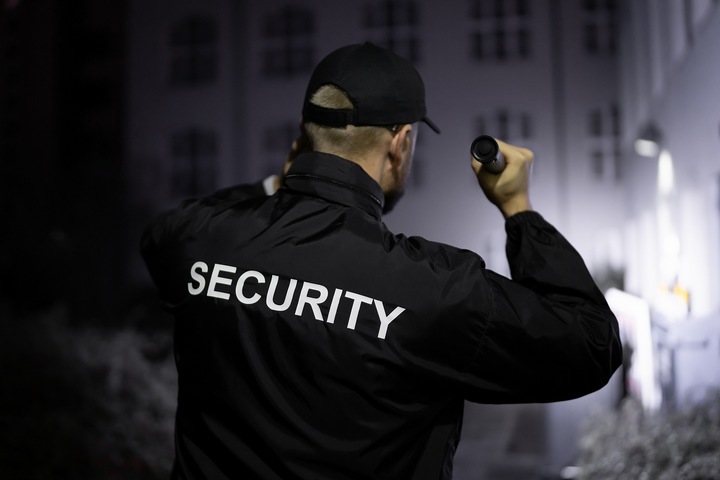
Security Guards in Iraq
In Iraq, the role of a security guard is more critical than in many other countries. Due to risks such as theft, terrorism, and conflict, professional security services are essential. Guards in Iraq receive special training and often take on responsibilities beyond normal duties.
For example, they protect international oil and gas companies, secure embassies and NGOs, and provide Executive Protection in Iraq for VIPs. They also escort convoys as part of Mobile Security Teams in Iraq and guard residential compounds for expatriates and locals.
Because of these unique challenges, security guards in Iraq are highly trained, experienced, and adaptable. Their work is not just about watching a location; it is about ensuring safety in one of the most complex environments in the world.
Frequently Asked Questions (FAQ)
Q1: What is the main duty of a security guard?
The main duty is to protect people, property, and assets from harm while preventing risks.
Q2: Do security guards carry weapons?
In Iraq, some guards in high-threat roles may be licensed to carry firearms. Others rely on non-lethal equipment.
Q3: Can security guards handle emergencies?
Yes. Trained guards know first aid, evacuation plans, and how to respond quickly to danger.
Q4: Are all security guards the same?
No. Their duties vary depending on the environment corporate, residential, event, or high-risk.
Q5: Why are security guards important in Iraq?
Because of higher risks, guards are essential for protecting businesses, organizations, and individuals across the country.
Security guards are the backbone of safety. Their duties and responsibilities cover everything from preventing crime to managing emergencies. In Iraq, they are more than protectors they are trained professionals who reduce risks, protect assets, and ensure peace of mind.
At Black Tiger Security, we take pride in offering highly trained guards who specialize in Executive Protection in Iraq , Asset Protection in Iraq, and Mobile Security Teams in Iraq. Our services combine professionalism, quick response, and modern equipment to deliver unmatched security.
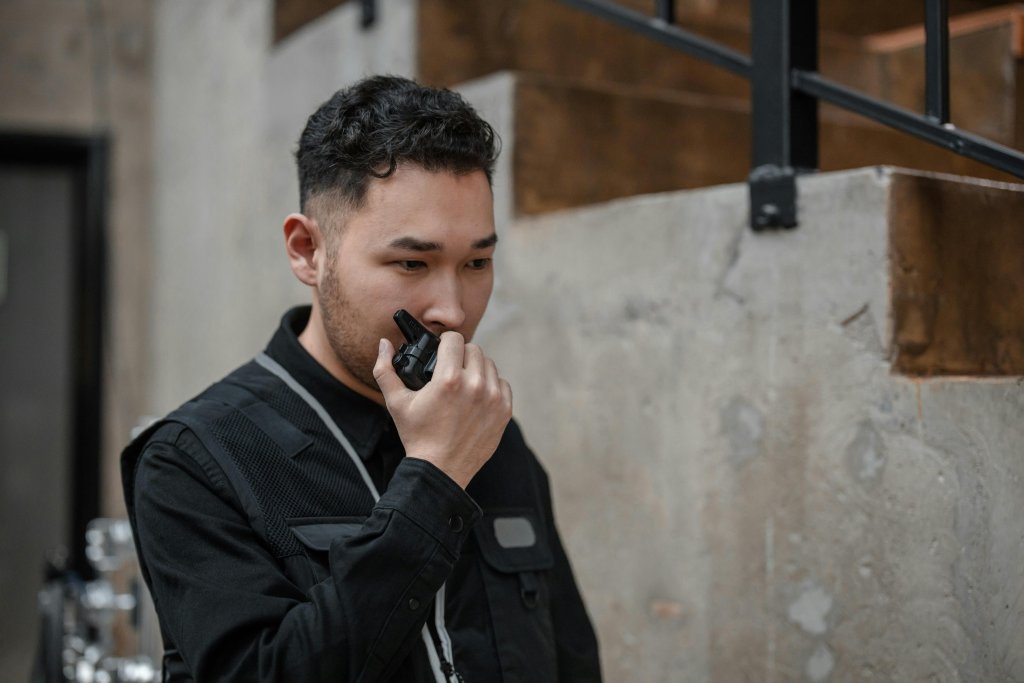
Contact Black Tiger Security
+964 780 8999 882
+964 770 2222 853
ceo@blacktiger-iq.com
Baghdad – Al Mansour – Al Dawoody Street