
Defining Global Security Dominance
The question “Who is the biggest security company in the world?” does not have one simple answer. The global security industry is huge and highly competitive. Size depends on revenue, global presence, workforce, and the range of services a company offers.
When we look at the largest private security firms in the world, we focus on companies that manage massive operations. They provide services such as manned guarding, secure logistics, and risk consulting. Many of these companies operate at a scale that rivals national defense forces. They support governments and corporations and play a major role in global protection strategies.
This analysis explains the key metrics that shape industry leadership. It also outlines the mergers and major players that define the modern private security sector. These companies set the standards for performance, capability, and operational excellence worldwide.
Who Is the Biggest Security Company in the World in 2025?
As of 2025, G4S (part of Allied Universal) remains the largest security company in the world, both in workforce size and global footprint.
Why G4S / Allied Universal Is Ranked
- Operates in more than 90 countries
- Over 800,000 employees worldwide
- Provides manned guarding, risk consulting, electronic security, and cash services
- Serves governments, airports, oil and gas, banks, and global corporations
- Billions in annual revenue
The Titans of Global Private Security
To accurately determine the “biggest” player, we must consider two primary metrics: Global Annual Revenue and Total Employee Count. In recent years, massive acquisitions and strategic mergers have reshaped the industry landscape, consolidating power around a few key players.
1. The Undisputed Leader: Allied Universal
Following its landmark acquisition of G4S in 2021, Allied Universal cemented its position as the largest physical security provider globally.
- Global Revenue: Estimated to be in excess of $20 Billion USD.
- Employee Count: Over 800,000 dedicated security professionals worldwide.
- Global Footprint: Operations across 90+ countries, providing comprehensive security and facility services.
Allied Universal’s scale allows it to offer an unparalleled diversity of solutions, from technological systems integration to large-scale staffing for critical national infrastructure. Their dominance showcases the modern trend of comprehensive security solutions merging physical presence with advanced technology.
2. The European Giant: Securitas AB
Hailing from Sweden, Securitas remains a formidable force and consistently ranks as one of the world’s largest security providers, known for its strategic move into electronic security and specialized services.
- Global Revenue: Consistently reported above $15 Billion USD.
- Employee Count: Approximately 350,000 security professionals.
- Service Focus: Securitas focuses heavily on Protective Services, Security Solutions, and Alarm Monitoring, driving efficiency through technological integration.
3. The Global Specialist: GardaWorld
GardaWorld, a Canadian-based firm, distinguishes itself by maintaining a robust presence in cash services and operating extensively in high-risk environments. This specialization underscores the vital role private companies play in dynamic security challenges.
- Global Revenue: Circa $5.9 Billion USD (FY 2024 figures).
- Key Specializations: Cash-in-Transit (CIT), and risk consulting in complex markets. They manage billions of dollars daily in secure logistics.
Analyzing the Scope of Services: Where Scale Meets Specialization
The vastness of the world’s largest security companies is reflected in their ability to offer solutions for every conceivable threat vector. While massive guarding contracts define their size, specialized services are the essence of their value proposition.
I. Secure Logistics and High-Value Asset Management
Global leaders are responsible for moving cash and valuable goods securely across borders and within major metropolitan areas. This requires highly specialized fleet management and protocol adherence.
- The provision of Cash-in-Transit services is a pillar for many global firms, utilizing a highly trained workforce and secure procedures.
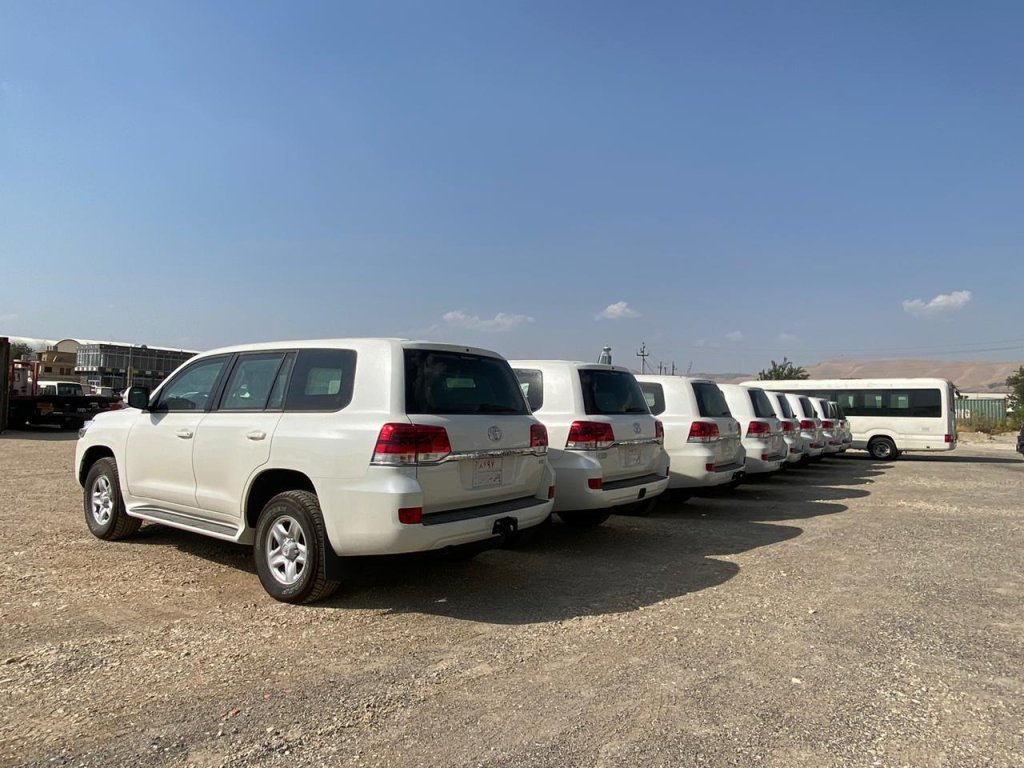
- Furthermore, safeguarding corporate and private wealth necessitates reliable armored vehicle logistics, ensuring assets and personnel are transported under maximum protection.
II. Protection of People and Executives
For high-net-worth individuals, diplomatic figures, and corporate leaders operating in volatile regions, personalized protection is paramount.
- Advanced executive protection details are staffed by highly trained agents who blend advanced planning, threat analysis, and covert defensive strategies to ensure client safety without compromising operational mobility. For firms operating in markets like Iraq, this service is critical.
III. Infrastructure and Risk Mitigation
Protecting vast corporate and governmental infrastructure is a constant operational challenge that requires proactive risk analysis and physical defense.
- Before any security posture is established, a comprehensive facility security assessment must be conducted. This deep-dive analysis identifies vulnerabilities in architecture, processes, and technology, forming the basis for an integrated security plan.
- In rapidly evolving or complex threat environments, the deployment of highly adaptable mobile security teams ensures rapid response and layered defense across large sites or diverse operational zones.
IV. Addressing Complexity and High-Threat Environments
A true measure of a world-class security provider is its capability to operate where others cannot. In dynamic conflict or post-conflict zones, specialized expertise is essential.
- Companies offering high-threat protection services employ personnel with exceptional training, often drawn from military or elite police backgrounds. Their mandate is to manage extreme risks and maintain operational continuity under duress.
- Every service, from personal details to logistical planning, is underpinned by robust strategies for comprehensive asset protection, ensuring continuity and resilience against criminal, political, or operational threats.
The Critical Importance of Local Expertise
While global companies offer unparalleled scale, effective security in specific, complex regions requires profound local knowledge and regulatory compliance.
In the challenging and critical security environment of the Middle East, particularly in Iraq, the success of security operations is dependent on partnerships with expert local firms. Global blueprints fail when they lack boots-on-the-ground understanding of local threats, cultural dynamics, and rapidly changing regulations.
This is why companies like Black Tiger Company (BTC) in Iraq are invaluable. We combine international standards with an inherent, nuanced understanding of the local operational landscape, offering elite solutions tailored to our market, including our specialized B-T-C Services.
Contact Black Tiger
We are committed to delivering the highest level of professional security and risk management services in Baghdad and across Iraq.
- Phone (CEO Office): 00964 780 8999 882
- Phone (Operations): 00964 770 2222 853
- Email: ceo@blacktiger-iq.com
- Location: Baghdad – Al Mansour – AL Dawoody Street
Frequently Asked Questions (FAQ)
Q1: Is G4S still the largest security company in the world?
No. G4S held that position for many years, but Allied Universal acquired the company in 2021. After the merger, Allied Universal became the largest private security company in the world. It leads the industry in both revenue and employee count.
Q2: What is the main difference between private security companies and Private Military Companies (PMCs)?
Private security companies focus on protection, risk reduction, and compliance. They operate under civilian laws and provide defensive services. Some firms offer high-threat protection and hire former military personnel, but their role remains protective, not offensive.
PMCs, on the other hand, support military operations. They may work in conflict zones and often perform tasks with a more aggressive or combat-related nature.
Q3: How do global security firms use armored vehicles?
Armored vehicles play a key role in many security operations. Companies use them for cash-in-transit missions and for the protection of executives and high-risk clients. Their use requires trained drivers, strict safety rules, and advanced defensive driving skills. These vehicles help reduce risk and improve safety during movement in dangerous areas.